Watch Apple TV+ Movies
TV Shows and more
Try 7-Day Free
AD

Watch Free for 7 Days on Apple TV+

Watch Now
Home > Documentary >

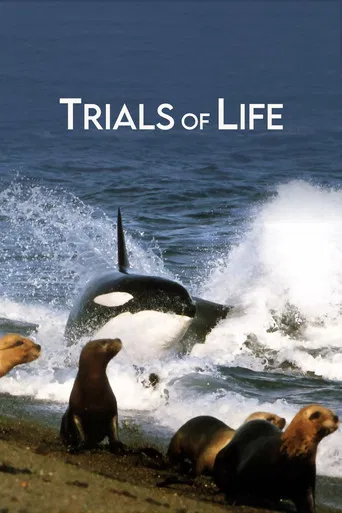
Trials of Life

AD:Watch Similar TV Shows on Apple TV

Trials of Life (1990)
October. 04,1990
|
8.9
| Documentary
Trials of Life

Each of the twelve 50-minute episodes features a different aspect of the journey through life, from birth to adulthood and continuation of the species through reproduction.

AD:Watch Similar TV Shows on Apple TV

Free Trial Channels
AD

AD
Watch on Apple TV+

With 7-Day Free Trial

Stream Now

Trials of Life

1990
AD
Watch on Apple TV

Each of the twelve 50-minute episodes features a different aspect of the journey through life, from birth to adulthood and continuation of the species through reproduction.

READ MORE

Seasons & Episode

1
Seasons 1 : 1990

|

12 Episode

|

Episode 1 - Arriving
October. 04,1990

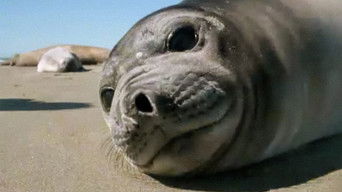
The first episode examines the various methods by which creatures come into the world. Attenborough’s opening statement alludes to the annual spawning of the Christmas Island red crab, of which there are estimated to be some 120 million. The exercise is all the more hazardous since the species is a land crab, and the eggs have to be deposited in the sea - where the most ancient animals on the planet still live and breed. One of the most prolific aquatic egg producers is the giant clam, but some land animals also lay vast quantities, and the mantis is one example. In the Western United States, Attenborough observes a wasp that digs a burrow, conceals it, and stocks it with fresh caterpillars for her emerging young. The grubs of another start life inside caterpillars, and eat the unsuspecting hosts. The problems of larger animals are illustrated by snow geese in the Arctic, which have to defend their eggs from arctic foxes. The process of embryonic growth inside the egg, from laying to hatching, is shown in detail. The malleefowl warms its eggs with rotting leaves, and Attenborough demonstrates the care with which it regulates them by adding sand to its mound - to have it kicked back in his face. The sea louse is a crustacean that commits suicide: its grubs consume so much of the mother’s energies that she dies after birth. Mammals shown giving birth to fully formed young include wildebeest, antelope, sea lions and chinchillas.

Watch on Apple TV
Watch on Apple TV >
Watch Similar on Apple TV+
|
Watch 7-day Free
Episode 2 - Growing Up
October. 11,1990
Episode 3 - Finding Food
October. 18,1990
Episode 4 - Hunting and Escaping
October. 25,1990
Episode 5 - Finding the Way
November. 01,1990

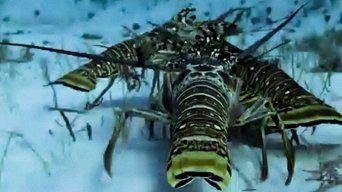
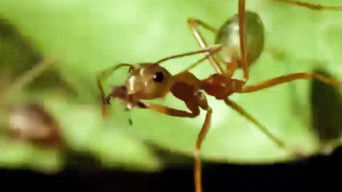
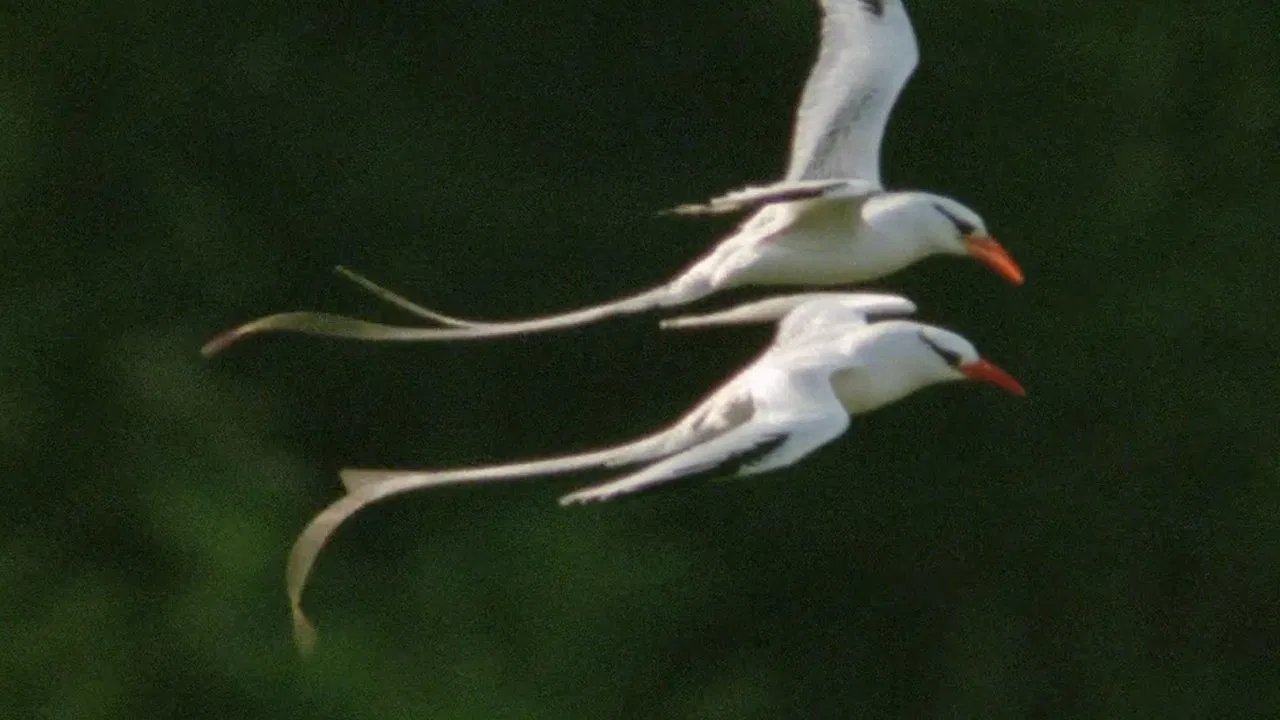
This programme explores forms of navigation. Attenborough starts in Africa at dusk, by describing some of the species that don't rely on sight. The spotted hyena uses its acute sense of smell to guide it while it hunts nocturnally, while galagos urinate on their hands so they can completely mark their movements. Some animals use echolocation and these include swiftlets, bats and river dolphins. By contrast, electric eels use fields of electricity to sense their environment. During the hours of daylight, other methods are employed: the rufous elephant shrew, with its carefully cleared network of pathways, has a sharp mental picture of its habitat - even knowing the various shortcuts with which to evade capture. Attenborough visits the Sahara to illustrate a species that makes the longest overland journey of any insect: cataglyphis, an ant that uses the sun's position to enable it to return to its nest in a straight line. Lobsters in the Bahamas are shown marching in columns to escape stormy waters. In its search for perpetual daylight in which to fish, the Arctic tern makes a 19,000-kilometre journey from one end of the Earth to the other. The albatross is highlighted as one of the most skilled navigators: it can travel up to 1300 kilometres over sea in search of food for its chicks, and still find its way back to the nest. Finally, Attenborough stands on a waterfall in Ireland to tell of the three-year, 10,000-kilometre journey made by elvers.

Watch on Apple TV
Watch on Apple TV >
Episode 6 - Home Making
November. 08,1990
Episode 7 - Living Together
November. 15,1990

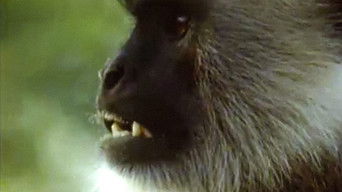
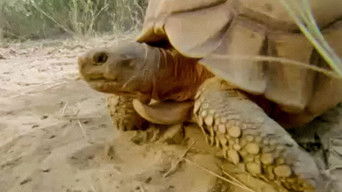
This episode focuses on those species that co-operate and depend on (or exploit) others. Spotted deer follow langur monkeys as they travel from tree to tree, eating any leaves that get dropped from above. In return, the deer serve as a lookout when the primates are feeding on the ground. Underwater, a hermit crab is shown adding sea anemones to its shell in order to protect itself from attack by an octopus, and a goby assists a virtually blind shrimp. Fleas, lice and mites are parasites: they share no mutual partnership and instead take advantage of creatures for food or shelter. However, parasites have their predators, and an example are the finches of the Galápagos Islands that clear the resident giant tortoises of their ticks, and oxpeckers, which do the same for giraffes in Africa (and even use its fur to line their nests). Some fish regularly clean others, and wrasse and shrimp appear to specialise in this regard, as do remora, which permanently hang on to their hosts. One parasite that grows inside its host is the fluke, and one is shown gestating inside a snail, having previously been unknowingly eaten. Because it needs to transfer to a bird's gut to develop further, it causes the snail to advertise its presence to allow itself to be consumed - thus completing the circle. However, some microscopic creatures inhabit the stomachs of large herbivores in order to break down the cellulose of their diet, thereby aiding their digestion.

Watch on Apple TV
Watch on Apple TV >
Episode 8 - Fighting
November. 22,1990
Episode 9 - Friends and Rivals
November. 29,1990
Episode 10 - Talking to Strangers
December. 06,1990
Episode 11 - Courting
December. 13,1990
Episode 12 - Continuing the Line
December. 20,1990

Each of the twelve 50-minute episodes features a different aspect of the journey through life, from birth to adulthood and continuation of the species through reproduction.

READ MORE

Watch Trailer

Director
Mike Gunton
Cast
David Attenborough
Producted By
BBC Studios Natural History Unit
Genres
AD
Watch on Apple TV+

With 7-Day Free Trial

Stream Now

Popular Movies on Apple TV+
Popular TV Shows on Apple TV+