Equator (2006)
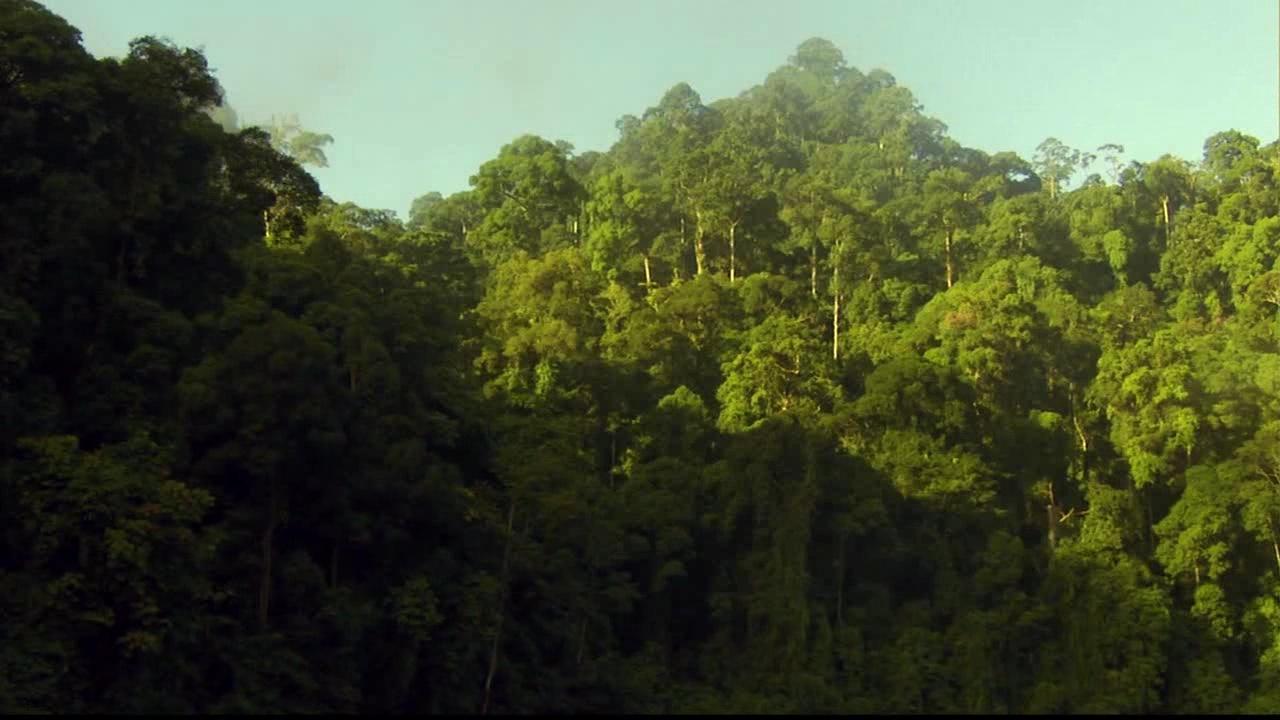
Equator is an epic production - capturing every detail in High Definition - that takes viewers on a 40,000-kilometre odyssey chasing the sun to some of the most extreme and diverse locations on the planet. The equator is not only the line that divides the Earth in two - it's also a line of life and a powerful force of nature, where the pace of evolution quickens. The equator covers only 5% of the Earth's surface, but is home to 50% of its animal and plant species.
Free Trial ChannelsAD

With 7-Day Free Trial
Equator
2006Equator is an epic production - capturing every detail in High Definition - that takes viewers on a 40,000-kilometre odyssey chasing the sun to some of the most extreme and diverse locations on the planet. The equator is not only the line that divides the Earth in two - it's also a line of life and a powerful force of nature, where the pace of evolution quickens. The equator covers only 5% of the Earth's surface, but is home to 50% of its animal and plant species.
Seasons & Episode
|
6 Episode|
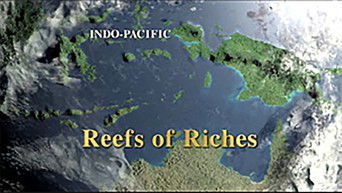
The Galapagos Islands are desert islands surrounded by an ocean oasis. Palmyra is an island oasis in the middle of a desert ocean. They lie half an ocean apart, yet both are shaped by the power of the Equator. Great ocean currents, set in motion by the force of the Equatorial sun, affect the destiny of animals living in both places










Equator is an epic production - capturing every detail in High Definition - that takes viewers on a 40,000-kilometre odyssey chasing the sun to some of the most extreme and diverse locations on the planet. The equator is not only the line that divides the Earth in two - it's also a line of life and a powerful force of nature, where the pace of evolution quickens. The equator covers only 5% of the Earth's surface, but is home to 50% of its animal and plant species.
Watch Trailer

With 7-Day Free Trial


Popular Movies on Apple TV+











Popular TV Shows on Apple TV+